
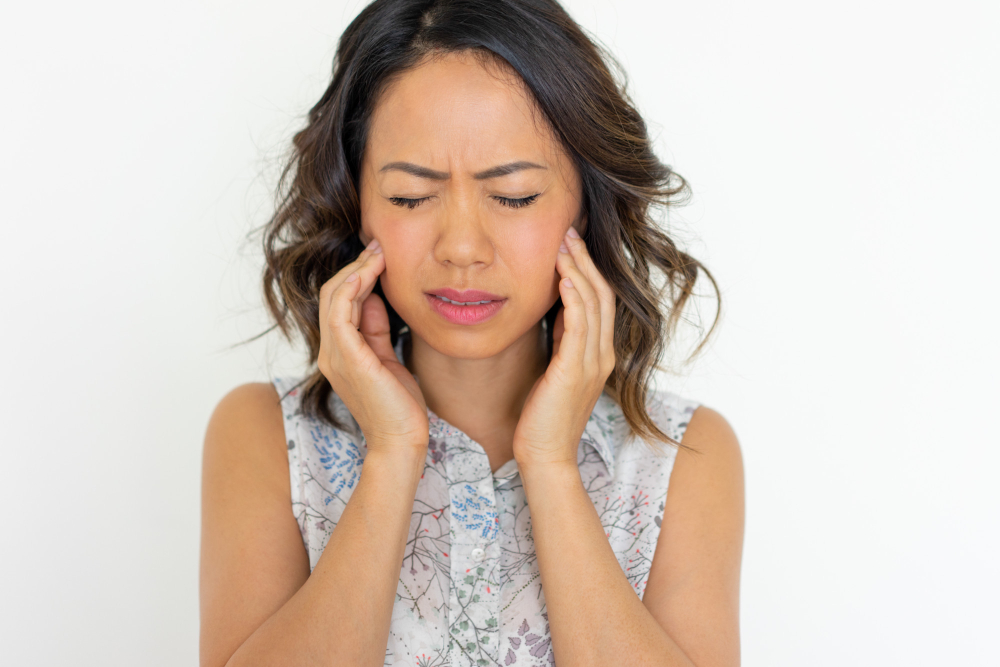
What is Bruxism?
Bruxism is a condition where you grind or clench your teeth. Many people do this without knowing, especially during sleep. Teeth grinding and jaw clenching can harm your teeth and jaw over time. According to the World Health Organization, bruxism affects both children and adults. While some people may only have mild symptoms, others may need treatment to prevent damage. Early awareness can help you manage bruxism better.
Common Symptoms of Bruxism
Often, people do not realize they have bruxism until symptoms appear. However, knowing the signs can help you seek help sooner. Common symptoms include:
Sometimes, you may also notice clicking sounds when opening or closing your mouth. If you have any of these symptoms, it is important to pay attention. Early action can prevent further problems.
Causes and Risk Factors
Bruxism can have many causes. While stress is a common trigger, other factors may also play a role. Understanding these can help you find the right bruxism treatment. Some common causes and risk factors include:
Additionally, children may grind their teeth as their teeth grow in. However, most outgrow this habit with age.
How Bruxism is Diagnosed
Often, dentists diagnose bruxism during a regular check-up. They look for signs of teeth grinding, such as worn enamel or jaw tenderness. Sometimes, your dentist may ask about your sleep habits or stress levels. In some cases, you may need a sleep study to check for related sleep disorders. Early diagnosis can help you start treatment sooner. If you notice symptoms, tell your dentist right away.
Treatment Options for Bruxism
There are several ways to manage bruxism. The right bruxism treatment depends on your symptoms and causes. Common options include:
For many people, a combination of treatments works best. Your dentist will help you choose the right plan. If you want to know how to stop bruxism, start by talking to your dentist about these options.
Lifestyle Tips and Prevention
Besides treatment, you can take steps at home to reduce teeth grinding. Here are some helpful tips:
With these habits, you may notice fewer symptoms. However, always follow your dentist’s advice for the best results.
When to See a Dentist
If you notice signs of bruxism, do not wait. See a dentist if you have:
Early treatment can protect your teeth and jaw. Moreover, your dentist can help you find the best way to stop bruxism.
In summary, bruxism is common but treatable. If you think you may have bruxism, consult a dentist at Drumil Dental for personalized advice on managing bruxism.