
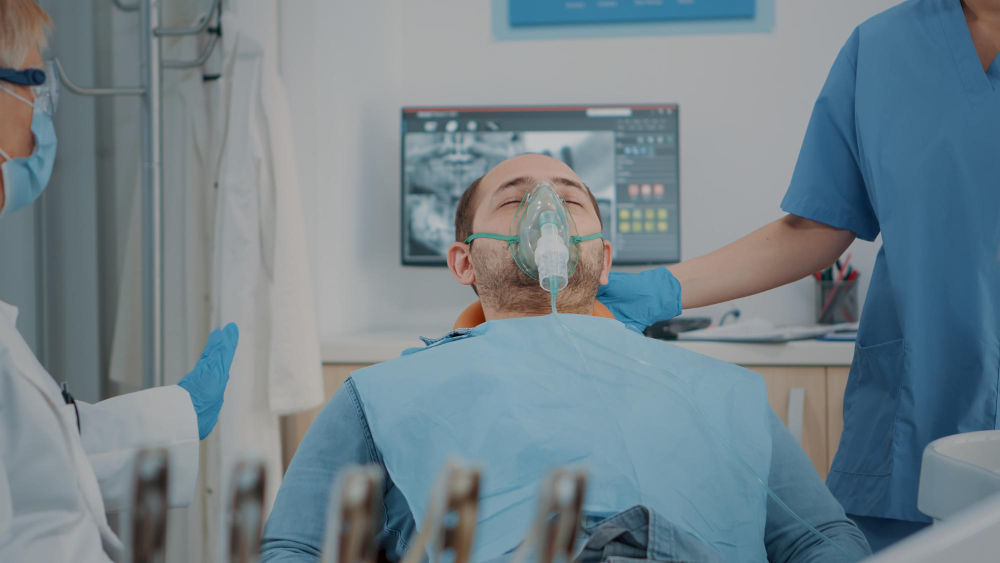
What Is Conscious Sedation?
Conscious sedation is a safe way to help patients relax during dental procedures. With this method, you stay awake but feel calm and comfortable. Many people call it “twilight sleep.” You can respond to questions, but you may not remember much about the procedure. Dentists use conscious sedation to make dental visits less stressful. According to the American Dental Association (ADA), it is a common choice for patients who feel anxious about dental work.
Why Is Conscious Sedation Used in Dentistry?
Many people feel nervous or scared about visiting the dentist. For some, this fear can stop them from getting needed care. Because of this, dentists offer conscious sedation. It helps patients:
As a result, more people can get the dental care they need.
How Does Conscious Sedation Work?
Conscious sedation in dentistry uses medicines to help you relax. There are several ways dentists give these medicines:
Before the procedure, your dentist will explain which method is best for you. During the treatment, you will feel calm and relaxed. However, you can still follow simple instructions. Afterward, you may feel drowsy for a short time.
Benefits and Safety of Conscious Sedation
Conscious sedation offers many benefits. For example, it helps patients who fear dental visits. It also makes long or complex treatments easier. Most importantly, it is very safe when given by trained dental professionals. The ADA and CDC both state that conscious sedation is safe for most people. Dentists monitor your breathing, heart rate, and blood pressure during the procedure. Because of this, problems are rare.
Who Is a Candidate for Conscious Sedation?
Not everyone needs conscious sedation. Still, it is a good option for:
However, your dentist will check your health history first. Some medical conditions may affect your options. Always tell your dentist about your health and any medicines you take.
What to Expect Before, During, and After the Procedure
Before the Procedure
First, your dentist will review your health and explain the sedation process. You may need to avoid food or drink for a few hours before your visit. If you take oral or IV sedation, arrange for someone to drive you home.
During the Procedure
Next, the dentist will give you the sedation medicine. You will feel calm and relaxed. Although you stay awake, you may not remember much. The dentist will monitor you closely at all times.
After the Procedure
Finally, you may feel sleepy or groggy for a short time. With nitrous oxide, you usually recover quickly. With oral or IV sedation, you may need a few hours to feel normal again. Always follow your dentist’s instructions after the visit.
Risks and Possible Side Effects
Conscious sedation is safe for most people. Still, like any medical treatment, there are some risks. Possible side effects include:
Serious problems are rare, especially when trained professionals give the sedation. However, always tell your dentist if you have allergies or health problems.
Tips for Patients Considering Conscious Sedation
Frequently Asked Questions (FAQs)
Conclusion
Conscious sedation in dentistry helps many patients feel calm and safe during dental care. Because it is safe and effective, more people can get the treatment they need. If you have questions or concerns, consult a dental professional at Drumil Dental for personalized advice on conscious sedation.