
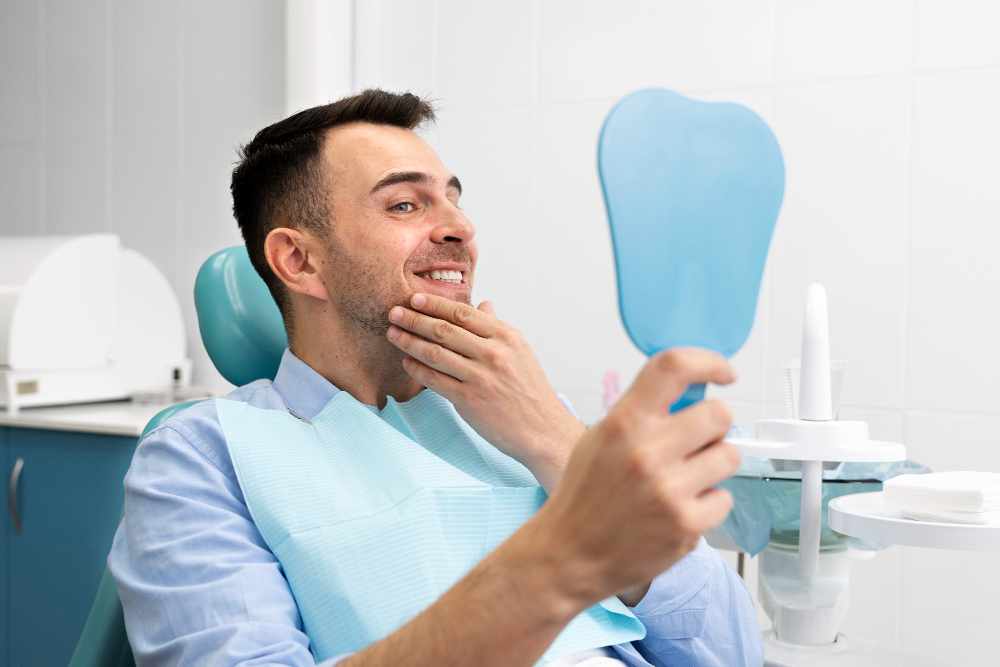
What Are Dental Crowns?
Dental crowns are custom-made caps that fit over a tooth. Dentists use them to cover, protect, and restore teeth. Usually, crowns are made from porcelain, metal, or ceramic. Because they look and feel like natural teeth, many people choose them for both health and cosmetic reasons.
Main Benefits of Dental Crowns
There are many advantages of dental crowns. Not only do they protect weak teeth, but they also restore broken or worn teeth. Here are some key benefits:
Additionally, dental crowns help keep your bite even. This means you can chew and speak with ease. For many, crowns boost confidence by improving the look of their teeth.
When Are Dental Crowns Recommended?
Often, dentists suggest crowns for several reasons. For example, you may need a crown if you have:
Sometimes, crowns are also used to cover dental implants. If you are unsure, your dentist can explain how dental crowns help in your situation.
The Dental Crown Procedure
Getting a dental crown usually takes two visits. First, your dentist will examine and prepare your tooth. Next, they will take an impression to make a custom crown. While you wait for the permanent crown, you may get a temporary one. At the second visit, the dentist places the permanent crown and checks the fit. After that, you can use your tooth as normal.
Care and Maintenance Tips
With good care, dental crowns can last many years. To keep your crown in top shape, follow these tips:
Because crowns can chip or loosen, it is important to treat them gently. If you notice any problems, contact your dentist right away.
Potential Risks or Considerations
While dental crowns are safe, there are some things to consider. Sometimes, you may feel sensitivity after the procedure. Rarely, a crown may chip or come loose. In some cases, the tooth under the crown can still get decay if not cared for. However, most people have no major issues. Always follow your dentist’s advice to lower your risk.
Frequently Asked Questions (FAQ)
Conclusion
In summary, the benefits of dental crowns include protection, restoration, and a better smile. If you think you may need a crown, talk to your dentist. They can help you decide what is best for your oral health. For personalized advice, always consult dental professional Dr. Drumil dental.