
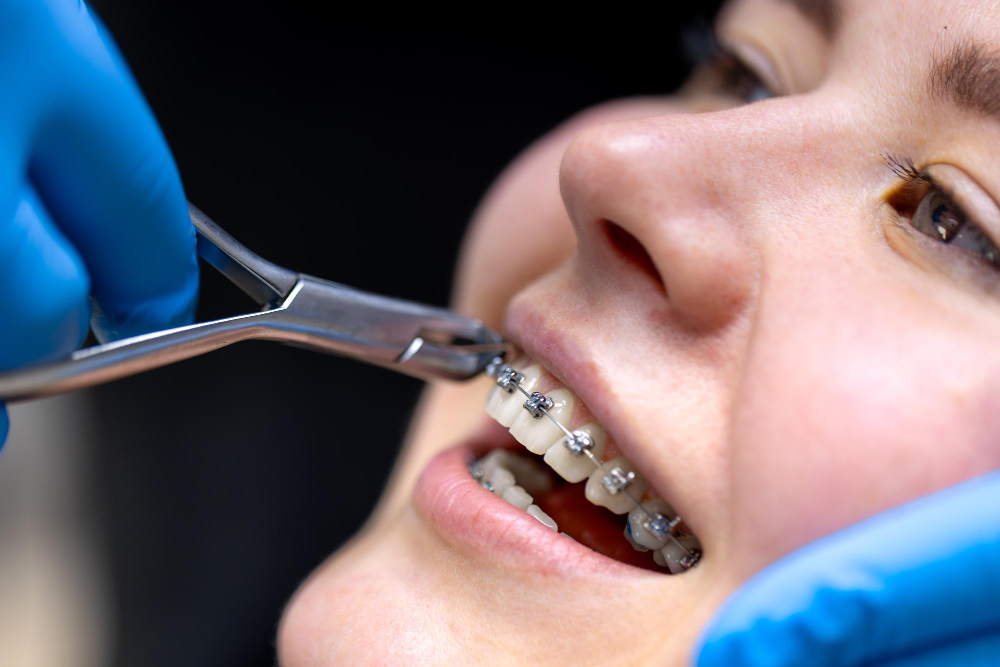
Are you thinking about getting braces? Before you start, it is important to know the key things to know before getting braces. Understanding these points can help you feel prepared and confident about your orthodontic treatment. Braces can improve your smile and dental health, but they also require some changes in your daily routine. Let’s look at four important things you should know before you begin your journey to straighter teeth.
1. What to Expect During the Braces Process
First, you will meet with an orthodontist. They will check your teeth and discuss your treatment plan. Usually, the process starts with X-rays and molds of your teeth. After that, the braces are placed on your teeth using a special glue. This step is painless, but you may feel some pressure.
For some people, extra steps like tooth removal or spacers may be needed. Your orthodontist will explain everything before starting. According to the American Dental Association, regular check-ups are key for a smooth treatment.
2. Common Discomforts and How to Manage Them
After getting braces, you might feel some discomfort. For example, your teeth may feel sore, or your mouth may feel irritated. This is normal, especially in the first few days. However, the pain usually goes away quickly.
Most people adjust to braces within a week. If pain lasts longer, contact your orthodontist. The CDC also recommends keeping your mouth clean to avoid sores and infections.
3. Oral Hygiene and Dietary Changes
Braces make it harder to clean your teeth. Therefore, you must brush and floss more carefully. Good dental care helps prevent cavities and gum problems during orthodontic treatment.
In addition, you will need to avoid certain foods. Sticky, hard, or chewy foods can break your braces or get stuck. For example, skip gum, popcorn, and hard candies. Instead, choose soft fruits, cooked vegetables, and dairy products. The American Association of Orthodontists suggests making these changes for the best results.
4. Duration and Commitment Required
Getting braces is a long-term commitment. Most people wear braces for 18 to 24 months, but it can vary. Some treatments are shorter, while others may take longer, depending on your needs.
Missing appointments or not following care tips can delay your results. For those living in busy cities, plan your visits ahead to avoid missing them. Remember, your effort will help you achieve a healthy, beautiful smile.
In summary, knowing these four things before getting braces can make your orthodontic treatment smoother and less stressful. For the best advice, consult a dental specialist at Drumil Dental. They can answer your questions and help you decide if braces are right for you.