
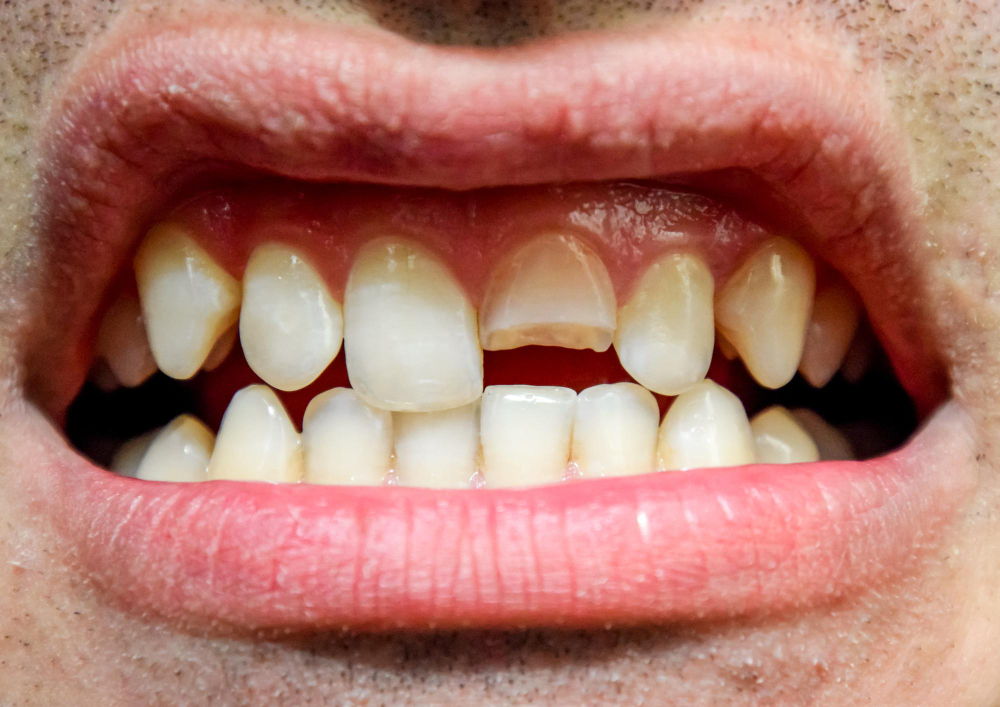
What Is a Cracked or Chipped Tooth?
A cracked or chipped tooth means the hard surface of your tooth has broken or split. Sometimes, the crack is small and hard to see. Other times, a piece of the tooth may break off. Either way, a cracked tooth emergency care plan can help protect your tooth until you see a dentist.
Common Causes of Cracked or Chipped Teeth
Many things can cause a tooth to crack or chip. For example, you might bite down on something hard. Or, you could get hit in the mouth during sports. Sometimes, teeth weaken over time and break more easily. Here are some common causes:
Immediate Symptoms and Signs
Often, you will notice pain right away. However, some cracks are painless at first. Watch for these signs:
If you notice these symptoms, emergency dental tips can help you manage pain and protect your tooth.
Step-by-Step First Aid and Home Care
While you wait to see your dentist, you can take steps to care for your tooth. Here is what to do for a chipped tooth:
These emergency dental tips can help prevent further damage until you get professional care.
What to Avoid Doing
Some actions can make things worse. Therefore, avoid these common mistakes:
Instead, follow safe home care steps and wait for your dentist’s advice.
When to Seek Urgent Dental Care
Sometimes, a cracked or chipped tooth is a true dental emergency. For example, you should call your dentist right away if:
In these cases, do not wait. Emergency dental care can save your tooth and prevent more problems. The American Dental Association recommends seeing a dentist as soon as possible for cracked tooth emergency care.
Prevention Tips for the Future
Although accidents can happen, you can lower your risk of a cracked or chipped tooth. Here are some simple prevention tips:
By following these tips, you can help keep your teeth strong and healthy.
Conclusion
To sum up, a cracked or chipped tooth can be scary. However, quick action and proper care can make a big difference. Use these emergency dental tips to protect your tooth until you reach the dentist. Contact a dentist at Drumil Dental promptly for personalized treatment and advice.