
Introduction
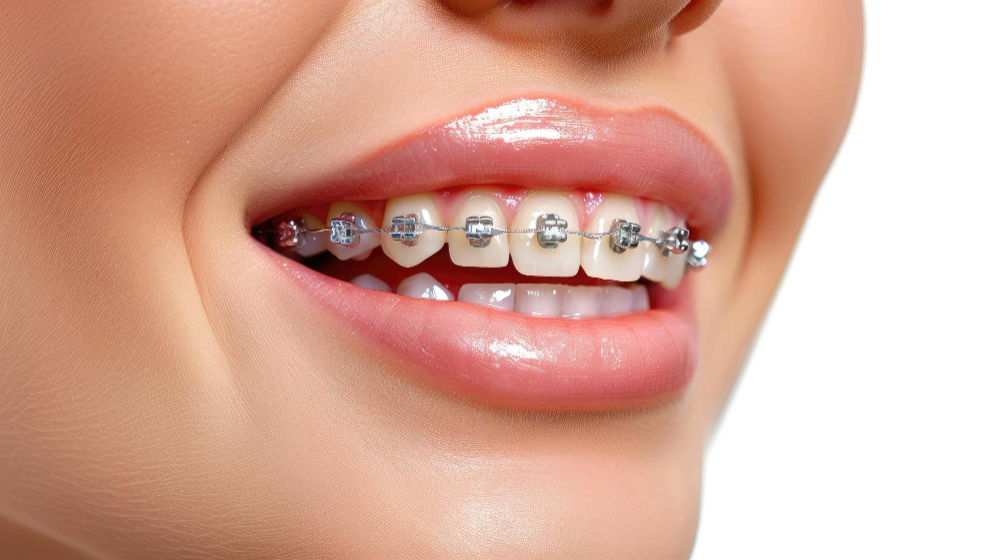
Braces are special dental devices that help straighten teeth and fix bite problems. Many people, both children and adults, use braces to improve their smiles. In fact, braces can also make it easier to clean your teeth. Because of this, braces are a common part of orthodontic treatment for adults and kids. This guide will explain everything you need to know about braces, including types, care tips, and benefits.
Types of Braces
There are several types of dental braces. Each type works to move teeth into the right position. However, they look and feel different. Here are the main types:
Each type has pros and cons. Your dentist will help you choose the best one for your needs.
Who Needs Braces?
Many people can benefit from braces. Usually, braces are used for children and teens. But adults can get them too. You may need braces if you have:
Sometimes, your dentist may suggest braces to prevent future dental issues. Early treatment can help avoid bigger problems later.
Symptoms and Signs You Might Need Braces
It is not always easy to know if you need braces. However, some signs can help you decide. Watch for these symptoms:
If you notice any of these signs, it is a good idea to see a dentist or orthodontist.
Diagnosis and Consultation Process
First, your dentist will check your teeth and mouth. Next, they may take X-rays or pictures. These help the dentist see how your teeth and jaws fit together. After that, you will talk about your treatment options. The dentist will explain the types of braces and the cost of braces. They will also answer your questions. This step is important to make sure you get the right care.
Treatment Process: What to Expect
Getting braces is a step-by-step process. Here is what you can expect:
Throughout treatment, you will need to follow your dentist’s advice for the best results.
Care and Maintenance of Braces
Proper care is important for healthy teeth during orthodontic treatment. Here are some braces care tips:
With good care, you can prevent cavities and gum problems while wearing braces.
Common Challenges and Solutions
Wearing braces can bring some challenges. However, most problems have simple solutions. Here are common issues and tips:
If you have any problems, always talk to your dentist for help.
Benefits of Braces
Braces offer many benefits for your teeth and health. For example, they can:
According to the American Association of Orthodontists, straight teeth are easier to keep clean and healthy. This means braces can help you avoid tooth decay and gum disease.
Prevention and Oral Health Tips
Even if you do not need braces now, you can take steps to keep your teeth healthy. Here are some tips:
Good habits can help prevent dental problems and may reduce the need for braces in the future.
Conclusion
Braces are a safe and effective way to improve your smile and oral health. Whether you are a child or an adult, braces can help fix many dental problems. If you think you or your child might need braces, consult a qualified dentist or orthodontist at Drumil Dental for personalized advice about braces.