
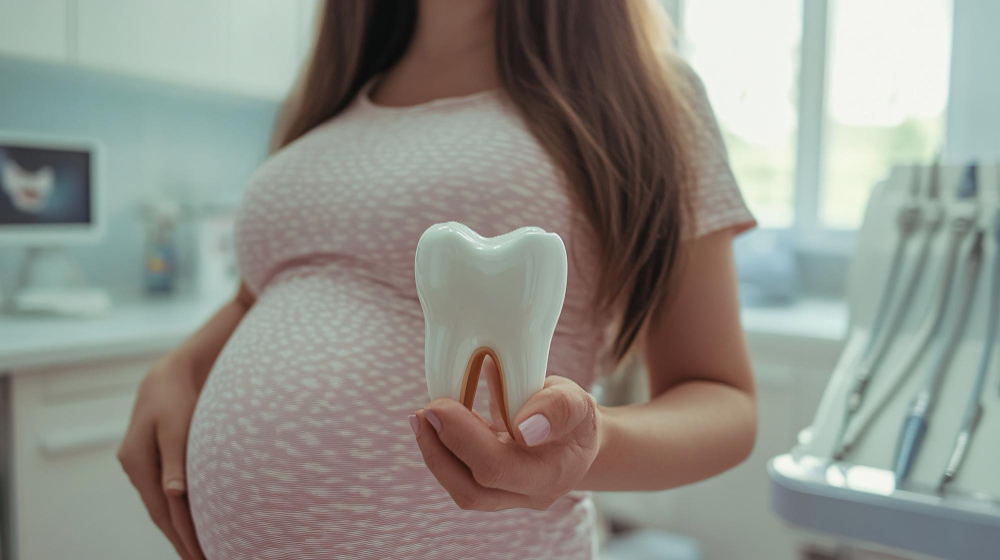
Introduction: Why Dental Care During Pregnancy Matters
Dental care during pregnancy is very important for both mother and baby. Hormonal changes can affect your gums and teeth. Because of this, you may face new dental problems. Early care helps prevent issues and keeps your mouth healthy. In fact, good oral health can lower the risk of pregnancy complications. Therefore, knowing what is safe and what to avoid is key.
Common Dental Issues During Pregnancy
Pregnant women often notice changes in their mouths. For example, gums may bleed more easily. This is called pregnancy gingivitis. Also, some women develop small growths on their gums. These are known as pregnancy tumors, but they are not cancer. Morning sickness can also increase acid in the mouth, which may lead to tooth decay. Because of these risks, regular dental checkups are helpful.
Safe Dental Treatments and Procedures During Pregnancy
Many dental treatments are safe during pregnancy. For instance, routine cleanings and exams are recommended. If you need a filling or crown, these can be done safely. In fact, the second trimester is the best time for most dental work. Local anesthesia is safe in small amounts. However, always tell your dentist that you are pregnant. This helps them choose the safest options for you and your baby.
Dental Treatments and Products to Avoid During Pregnancy
Some dental treatments and products should be avoided while pregnant. For example, elective procedures like teeth whitening are best postponed. Certain medications and strong painkillers may not be safe. Also, avoid dental X-rays unless they are urgent. If you need an X-ray, your dentist will use a lead apron to protect your baby. Always check with your dentist before using any new dental products.
Oral Hygiene Tips and Lifestyle Guidance for Pregnant Women
Good oral hygiene is very important during pregnancy. Brush your teeth twice a day with fluoride toothpaste. In addition, floss daily to remove food and plaque. If you have morning sickness, rinse your mouth with water after vomiting. This helps wash away acid. Eat a balanced diet rich in vitamins and minerals. Moreover, avoid sugary snacks and drinks. Regular dental visits help catch problems early.
Prevention Strategies for Dental Problems in Pregnancy
Preventing dental problems is easier than treating them. First, schedule a dental checkup early in pregnancy. Let your dentist know you are expecting. Next, follow a daily oral care routine. If you notice gum swelling or bleeding, contact your dentist. Additionally, drink plenty of water to keep your mouth moist. Avoid tobacco and alcohol, as these can harm your teeth and your baby.
When to Consult a Dentist
Sometimes, dental problems need quick attention. For example, if you have severe tooth pain, swelling, or bleeding gums, call your dentist. Also, if you notice sores or lumps in your mouth, get them checked. Early treatment can prevent bigger problems. Remember, your dentist can help you stay healthy during pregnancy. Do not wait if you have concerns.
Conclusion
In summary, dental care during pregnancy is safe and important. Most routine treatments can be performed safely, while some procedures may need to be postponed depending on the stage of pregnancy. By maintaining good oral hygiene and attending regular dental check-ups, you can help protect both your oral health and overall well-being. For personalized guidance on safe dental care during pregnancy, consult the dental specialists at Drumil Dental.