
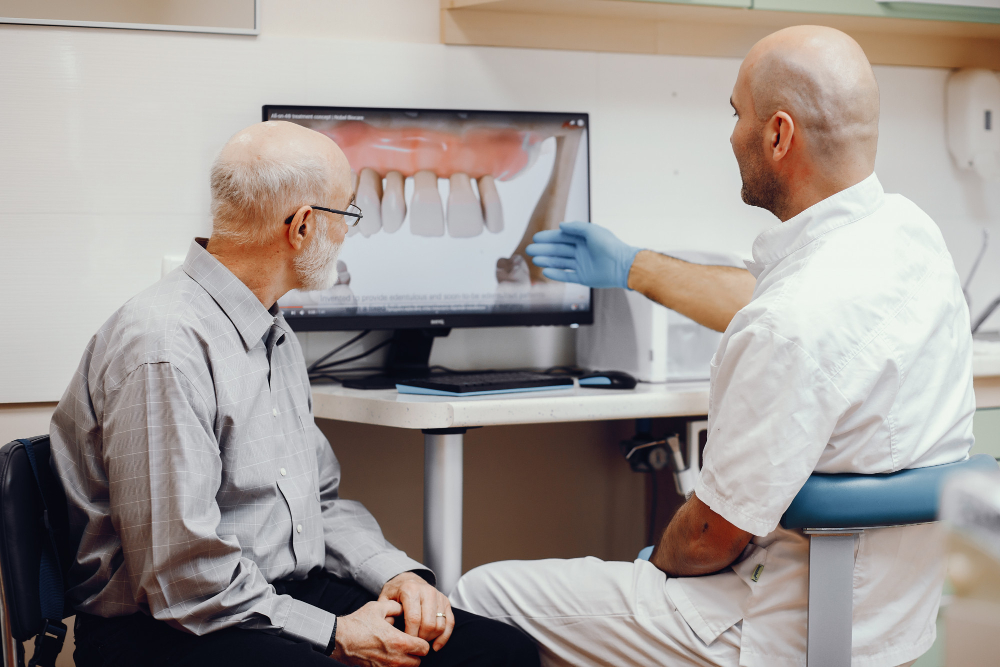
What is FPD (Fixed Partial Dentures)?
Fixed Partial Dentures (FPD), also called dental bridges, are used to replace missing teeth. Dentists attach them to nearby healthy teeth. Unlike removable dentures, FPD stays in place. Many people choose FPD dental treatment for a natural look and better chewing. According to the World Health Organization, replacing missing teeth helps maintain oral health and function.
Common Symptoms and Dental Issues Leading to FPD
Often, people need FPD when they lose one or more teeth. Missing teeth can cause several problems, such as:
Because these issues can affect daily life, many people seek dental bridge options like FPD.
Causes and Risk Factors for Needing FPD
There are several reasons why someone might need Fixed Partial Dentures. Common causes include:
Additionally, poor oral hygiene and skipping dental visits can increase your risk.
Diagnosis and Dental Evaluation for FPD
First, your dentist will check your mouth and teeth. They may take X-rays to see the bone and roots. Next, your dentist will discuss dental bridge options and decide if FPD is right for you. Sometimes, they may suggest other treatments if your gums or nearby teeth are not healthy enough.
Treatment Options: How FPD is Placed and Maintained
Getting Fixed Partial Dentures involves several steps:
After placement, your dentist will show you how to care for your new FPD. Regular check-ups help keep it in good shape.
Benefits and Potential Risks of FPD
There are many benefits to choosing FPD dental treatment:
However, there are some risks to consider. For example, the teeth supporting the FPD may become weak over time. Sometimes, gum problems can develop if you do not clean well. But with proper care, most people enjoy their FPD for many years.
Lifestyle and Oral Hygiene Tips for People with FPD
To keep your Fixed Partial Dentures in top shape, follow these FPD care tips:
Because good habits help prevent problems, always follow your dentist’s advice.
Prevention: How to Maintain Dental Health to Avoid Needing FPD
While FPD is a great solution, it is best to keep your natural teeth healthy. Here are some ways to prevent tooth loss:
Because prevention is easier than treatment, start these habits early.
Conclusion
Fixed Partial Dentures (FPD) can restore your smile and make daily life easier. But, proper care and regular dental visits are key to long-lasting results. For more information or to see if FPD is right for you, consult your dentist at Drumil Dental for personalized advice about Fixed Partial Dentures (FPD).