
Introduction: Why Teeth Cleaning Matters
Good oral hygiene is important for a healthy mouth and body. Teeth cleaning removes plaque, which is a sticky film of bacteria. If you do not clean your teeth well, you may get cavities or gum disease. Many people wonder about professional vs at-home teeth cleaning. Both methods help keep your teeth and gums healthy, but they work in different ways.
What is Professional Teeth Cleaning?
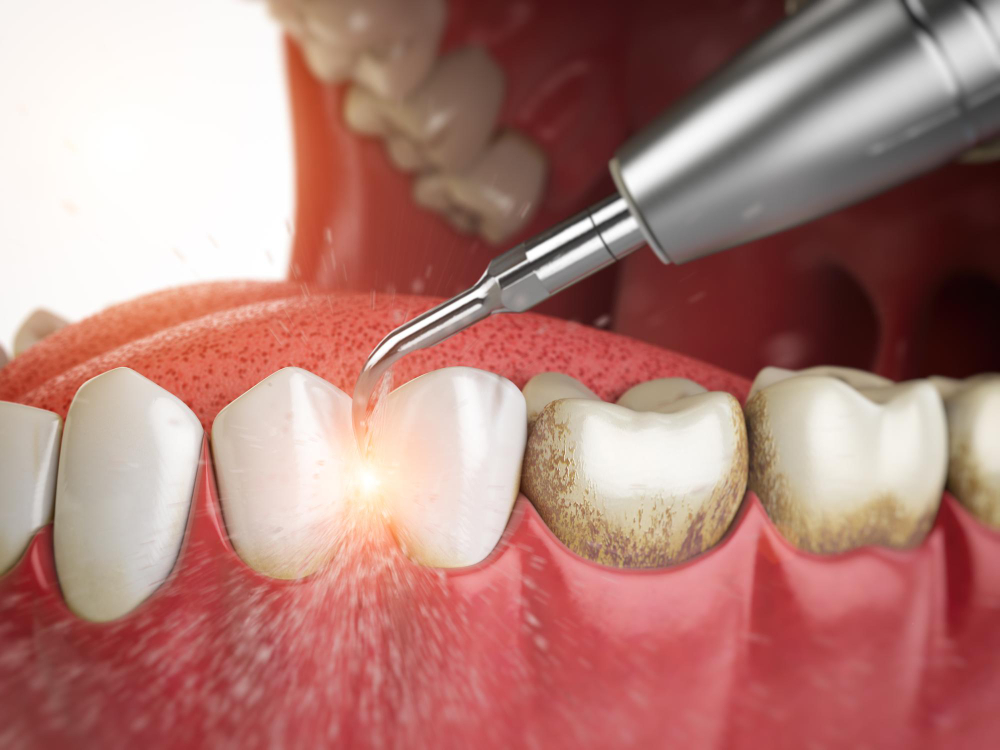
Professional teeth cleaning is done by a dentist or dental hygienist. During this visit, the dental team uses special tools to remove plaque and tartar. Tartar is hardened plaque that you cannot remove at home. Usually, you should get a professional cleaning every six months. However, your dentist may suggest more frequent visits if you have gum disease or other issues.
Professional cleaning helps prevent cavities, gum disease, and bad breath. According to the CDC, regular dental cleanings are key for good oral health.
What is At-Home Teeth Cleaning?
At-home teeth cleaning means caring for your teeth every day. You use a toothbrush, toothpaste, and dental floss. Some people also use mouthwash or special brushes. Brushing removes food and plaque from your teeth. Flossing cleans between your teeth where a brush cannot reach. For best results, brush twice a day and floss once a day.
At-home cleaning is effective for daily care, but it cannot remove tartar. Still, it is the first step in keeping your mouth healthy.
Key Differences Between Professional and At-Home Cleaning
Because both methods have unique benefits, they work best together.
Benefits of Each Approach
Professional Teeth Cleaning Benefits
At-Home Teeth Cleaning Benefits
When you combine both, you get the best protection for your teeth and gums.
Risks and Limitations
Even though both methods are safe, there are some risks. At home, brushing too hard can hurt your gums or wear down enamel. Skipping flossing may let plaque build up between teeth. On the other hand, professional cleaning may cause mild discomfort or bleeding, especially if you have gum disease. Rarely, you may feel tooth sensitivity after a cleaning. However, these effects are usually mild and go away quickly.
When to Choose Professional Cleaning
Sometimes, at-home care is not enough. You should see a dentist for professional cleaning if you:
Additionally, if you have braces or dental implants, regular professional cleanings are important. Finding a dental clinic near you can make it easier to keep up with appointments.
Best Practices for Oral Hygiene
To keep your mouth healthy, follow these best oral hygiene practices:
By following these steps, you can prevent most dental problems.
Conclusion
In summary, both professional and at-home teeth cleaning are important for a healthy smile. Professional cleaning removes tartar and checks for problems. At-home care keeps your teeth clean every day. For the best results, use both methods together. Consult a dental professional Dr. Drumil dental for personalized oral care advice.